





Weekly Facebook 2026-09-21 (Mon Sep 21 07:12:47 2026)

Notes on the floating sphere phenomena recorded by researcher Doris McNamara. Dr. McNamara spent her life working to learn everyrhing she could about the spheres and their purpose. While she would not accomplish a full understanding before she passed, her research would be instrumental in allowing future researchers to unlock the secrets held within them. Selected from Annex C-0625W.
Want to know more? Become an Archive Member for as little as $2 to read or listen to “The Lesser of Two Evils”, a tale recounting the origin of the spheres… https://www.patreon.com/thearchiveinbetween/posts/lesser-of-two-169800414?pr=true
Made using Midjourney, ElevenLabs, Runway, Epidemic Sound, Adobe Audition, and Adobe Premier. #scifi #cosmichorror #archiveinbetween #interdimensional
Thu Sep 24 10:01:08 2026
Weekly Facebook 2026-09-21
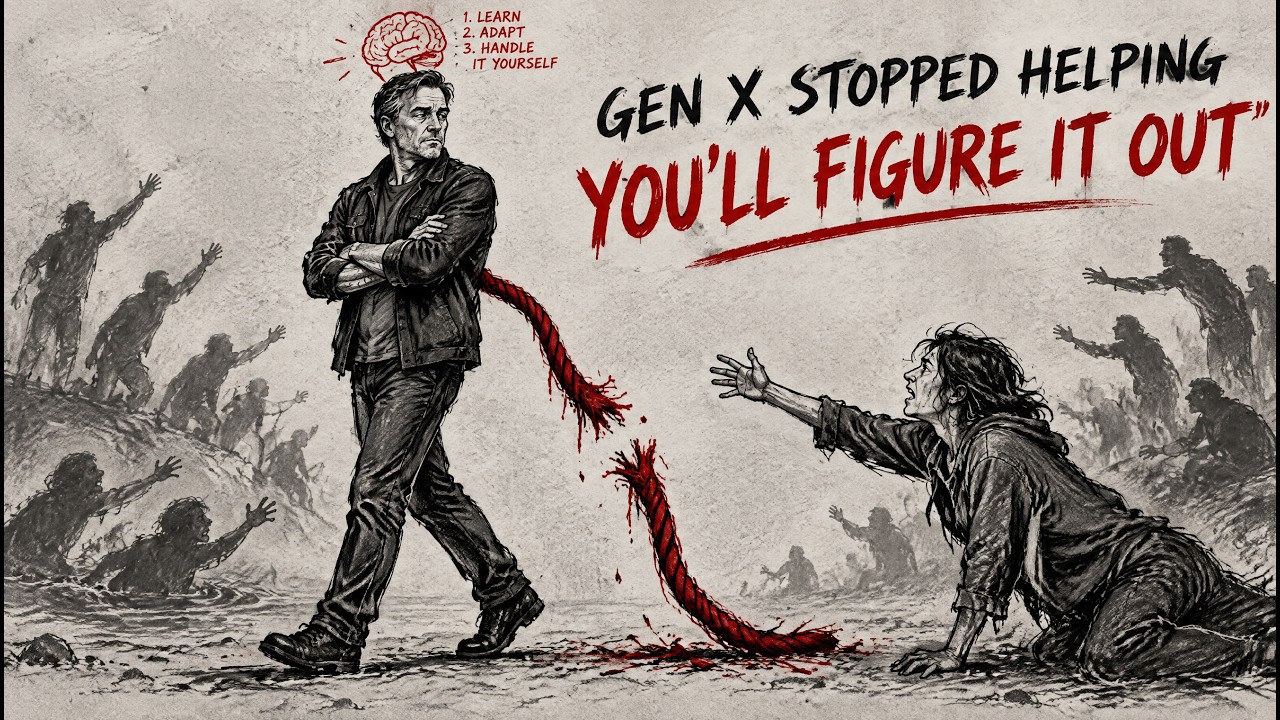
Why did Gen X stop trying to save everyone?
This video explores the psychology behind Gen X self-reliance, emotional boundaries, independence, and the tendency to let other people solve their own problems.
Gen X — generally defined as people born between 1965 and 1980 — grew up during a period of major changes in family structure, work, and childhood supervision. But the story may go deeper than the familiar “latchkey kid” stereotype.
We explore the neuroscience of learned control, why repeated experiences of solving problems can shape how people respond to stress, and why helping someone isn’t always the same as rescuing them.
You’ll also discover the surprising research on invisible support — the idea that support can sometimes work better when the person receiving it doesn’t experience it as an obvious rescue — along with research suggesting that people can regulate compassion when they anticipate helping will be emotionally costly.
Then comes the economic pressure: Gen X experienced particularly large losses in home equity during the Great Recession, while many adults in this age range also found themselves supporting children and aging parents.
So is Gen X actually less compassionate?
Or did decades of self-reliance teach them a different definition of helping?
This is the psychology of Gen X, self-reliance, emotional independence, boundaries, invisible support, learned control, compassion fatigue, and the sandwich generation — and why sometimes the person who refuses to rescue you may be the person who believes you can handle it.
#GenX #Psychology #SelfReliance
1790265668
Fri Sep 25 09:22:53 2026
Weekly Facebook 2026-09-21
Cartomancy is when you pull random cards from a deck as a divinatory tool.
Bibliomancy is up opening a book at random.
What is it called when you let the Google thingy randomly pull songs for you?
The pros and cons of hitchhiking
“Pigs on the wing (part two)” — The last song from the album “animals*
“Wish you were here”
Were the three pink floyd songs I got when I asked for some pink floyd this morning…
1790349773
Thu Sep 24 10:01:08 2026
Weekly Facebook 2026-09-21
I’d include Generation Jones (born 1955-1965) in this summary.
https://www.youtube.com/watch?v=8nnpAwP0isM
Why did Gen X stop trying to save everyone?
This video explores the psychology behind Gen X self-reliance, emotional boundaries, independence, and the tendency to let other people solve their own problems.
Gen X — generally defined as people born between 1965 and 1980 — grew up during a period of major changes in family structure, work, and childhood supervision. But the story may go deeper than the familiar “latchkey kid” stereotype.
We explore the neuroscience of learned control, why repeated experiences of solving problems can shape how people respond to stress, and why helping someone isn’t always the same as rescuing them.
You’ll also discover the surprising research on invisible support — the idea that support can sometimes work better when the person receiving it doesn’t experience it as an obvious rescue — along with research suggesting that people can regulate compassion when they anticipate helping will be emotionally costly.
Then comes the economic pressure: Gen X experienced particularly large losses in home equity during the Great Recession, while many adults in this age range also found themselves supporting children and aging parents.
So is Gen X actually less compassionate?
Or did decades of self-reliance teach them a different definition of helping?
This is the psychology of Gen X, self-reliance, emotional independence, boundaries, invisible support, learned control, compassion fatigue, and the sandwich generation — and why sometimes the person who refuses to rescue you may be the person who believes you can handle it.
#GenX #Psychology #SelfReliance
1790265668
Mon Sep 21 07:12:47 2026
Weekly Facebook 2026-09-21
This channel “the archive in between” is a strange sci fi “world” that has popped up in my YouTube feed.
Notes on the floating sphere phenomena recorded by researcher Doris McNamara. Dr. McNamara spent her life working to learn everyrhing she could about the spheres and their purpose. While she would not accomplish a full understanding before she passed, her research would be instrumental in allowing future researchers to unlock the secrets held within them. Selected from Annex C-0625W.
Want to know more? Become an Archive Member for as little as $2 to read or listen to “The Lesser of Two Evils”, a tale recounting the origin of the spheres… https://www.patreon.com/thearchiveinbetween/posts/lesser-of-two-169800414?pr=true
Made using Midjourney, ElevenLabs, Runway, Epidemic Sound, Adobe Audition, and Adobe Premier. #scifi #cosmichorror #archiveinbetween #interdimensional
1789996367
© 2026 rcanzlovar.com | About | Contact | Privacy Policy |